Catherine Pierce Home

Category

The Writing Life

15 articles

The Borrowed Sentence: Notes from a Poet Asked to Praise

The Borrowed Sentence: Notes from a Poet Asked to Praise

A field report from the uncomfortable, necessary work of writing book blurbs: reading manuscripts against the clock, finding praise that can survive scrutiny, and learning that a graceful no is part of literary citizenship too.


The No as Information: A Poet's Rejection Archive, Sorted and Read

The No as Information: A Poet's Rejection Archive, Sorted and Read

For a decade I have kept every rejection letter I received. This essay treats 112 of them as data rather than wounds, sorting them by journal type, turnaround time, and reader comments to build a practical taxonomy for writing students. The argument is simple: a no is information about the submission process, not a verdict on the poem.

Dial Tone Drafts: A Decade of Leaving Poems to Myself

Dial Tone Drafts: A Decade of Leaving Poems to Myself

For years I have called my own number from the road and read half-finished poems into the silence after the beep. What began as a memory crutch has become an archive of several hundred spoken drafts. This essay considers what the voice does to a poem, and why I keep most of those recordings untranscribed.

Fifty Dollars and a Glass of Wine: The Honest Ledger of a Poetry Reading

Fifty Dollars and a Glass of Wine: The Honest Ledger of a Poetry Reading

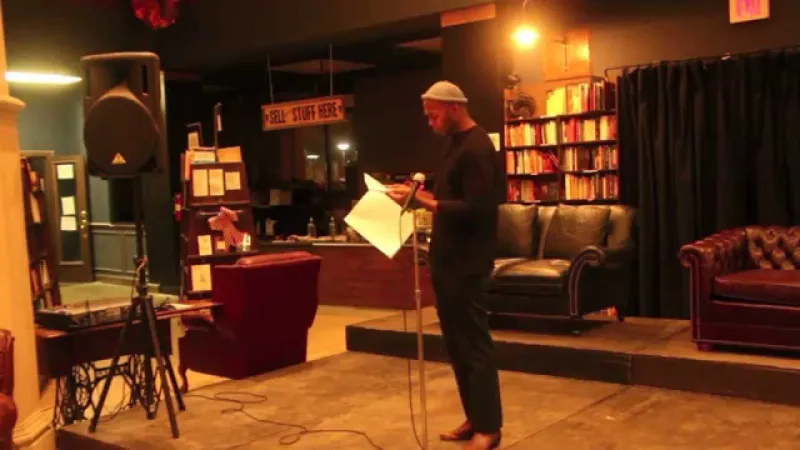
What does a night of poetry actually pay? I kept receipts for a full year of readings across the country — honorariums, mileage, parking, the paperbacks I sold at a loss — and the arithmetic is humbler than our MFA programs admit. This is the spreadsheet, the interviews, and the uncomfortable conclusion.

Pencil Confessions: Reading My Own Marginalia Like a Stranger's Diary

Pencil Confessions: Reading My Own Marginalia Like a Stranger's Diary

Twenty years of penciled arguments, coffee rings, and half-legible questions live in the poetry shelves of my house. When I finally read them as a body of work rather than isolated scribbles, they told me more about my development as a writer than any workshop report ever has.

Five Years in a Drawer: The Slow Education of One Poem

Five Years in a Drawer: The Slow Education of One Poem

Every poem lives a secret second life between its last revision and its first appearance in print. Here, one poem's five-year passage through submission queues and desk drawers becomes a meditation on what delay does to a poem — and to the poet who waits for it.

Correspondence with the Dead: On Writing Letters That Require No Stamp

Correspondence with the Dead: On Writing Letters That Require No Stamp

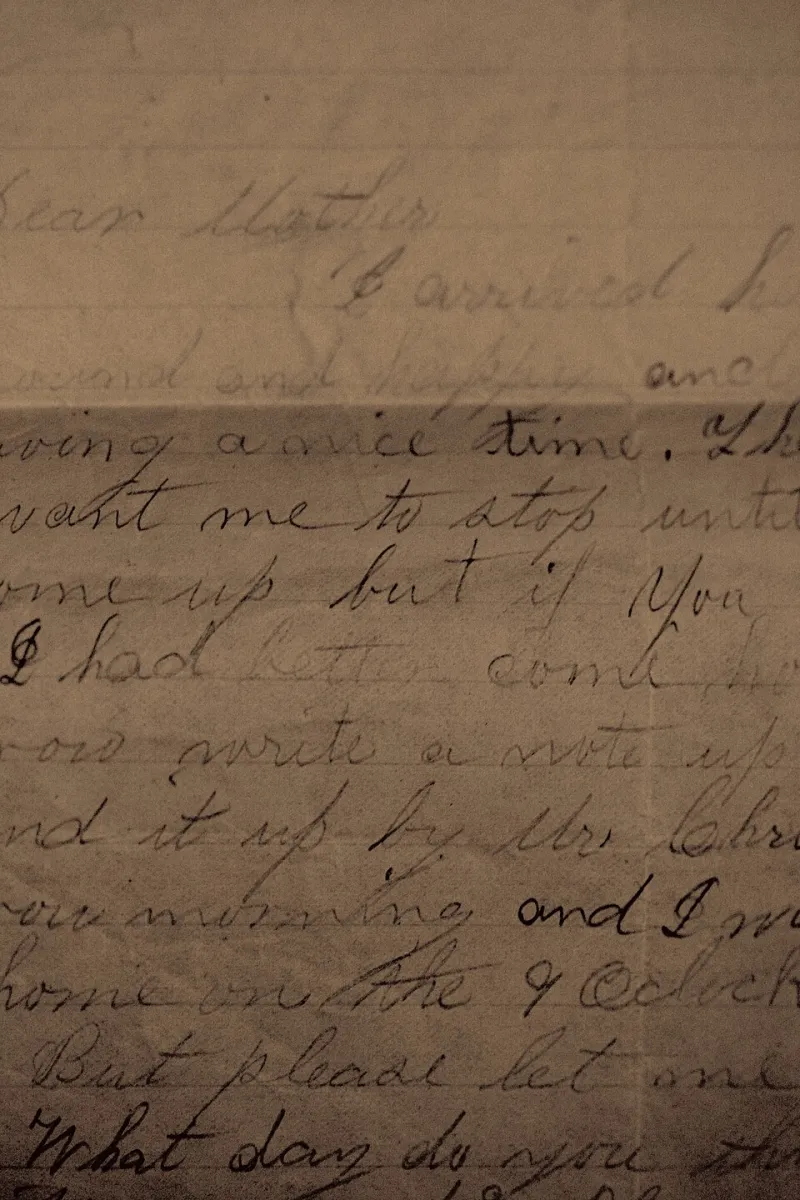
For twenty years I have written letters to poets who cannot answer me—Bishop, Wright, Clifton—and I have come to believe this one-sided correspondence is the most honest audience a writer can have. Addressing the dead teaches us something the living cannot: how to speak with total sincerity and no expectation of reply.